Digital Clock
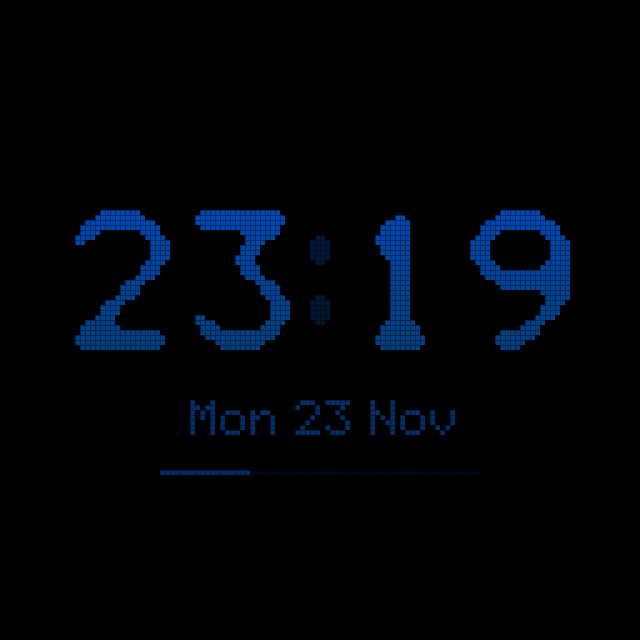
ClockHome scene: crisp across-the-room numerals with date and quiet seconds bar.
Third generation of an LED wall display (Aurora → Borealis → Coriolis): four 64×64 panels driven by a Teensy 4.1, with ambient generative art, a guided-fitness suite, and retro games — developed simulator-first with a shared C++11 core.
This is not a mockup: the display below runs Coriolis's actual C++11 Shell, transitions, launcher, settings menu, and all 25 scenes compiled to WebAssembly. Use the virtual IR remote, pick a scene below, or click the display to drive it with your keyboard.
Captured directly from the simulator at native 128×128 resolution. Filter by category or jump any card straight into the live emulator above.
Home scene: crisp across-the-room numerals with date and quiet seconds bar.
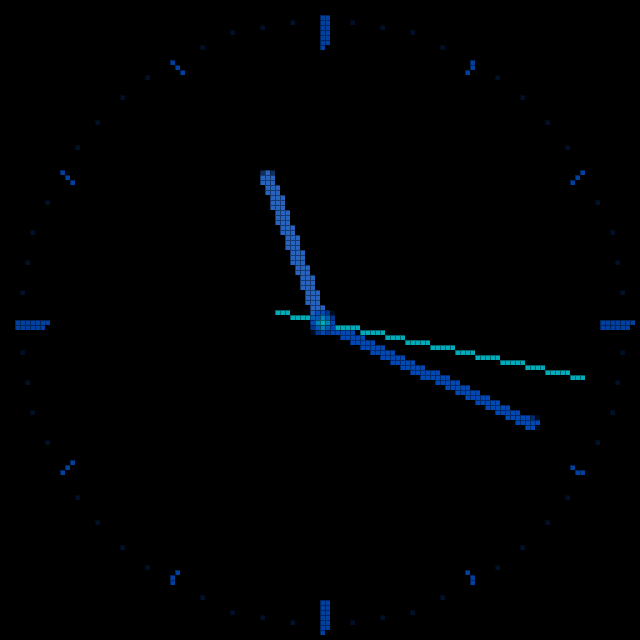
60-minute dial dots, bold 5-minute markers, and counterweighted second hand.
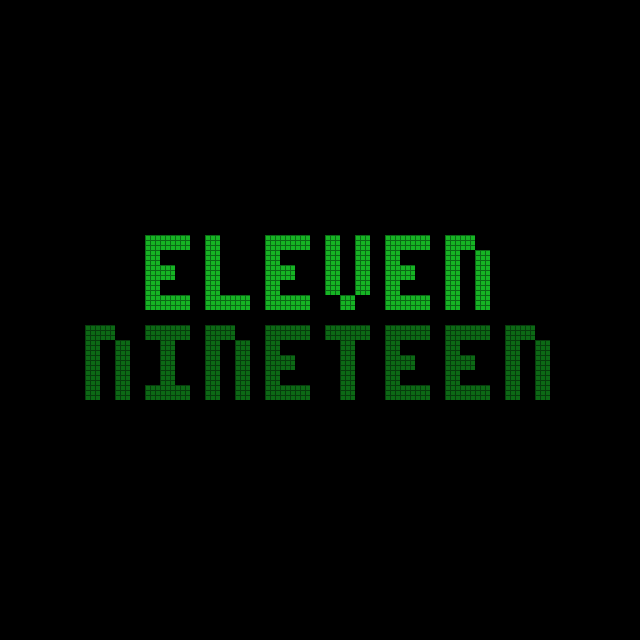
The exact time spelled out in stacked words, hour first.
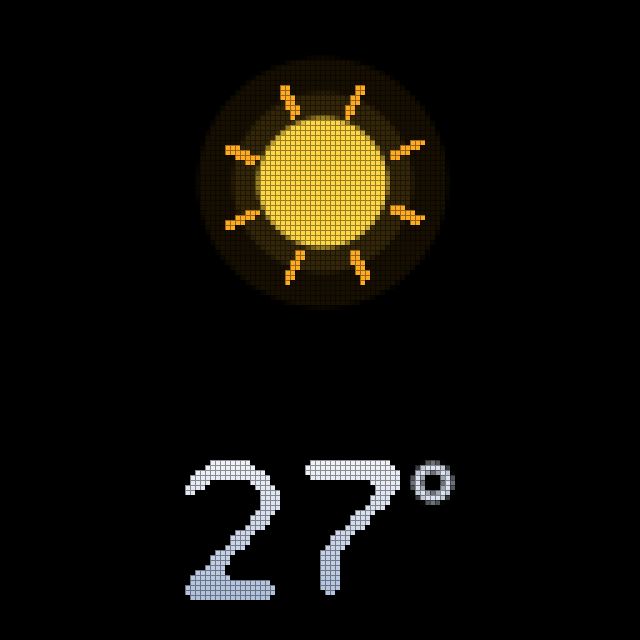
Animated clear, cloud, rain, snow, and storm visuals fed from a local file or UART.
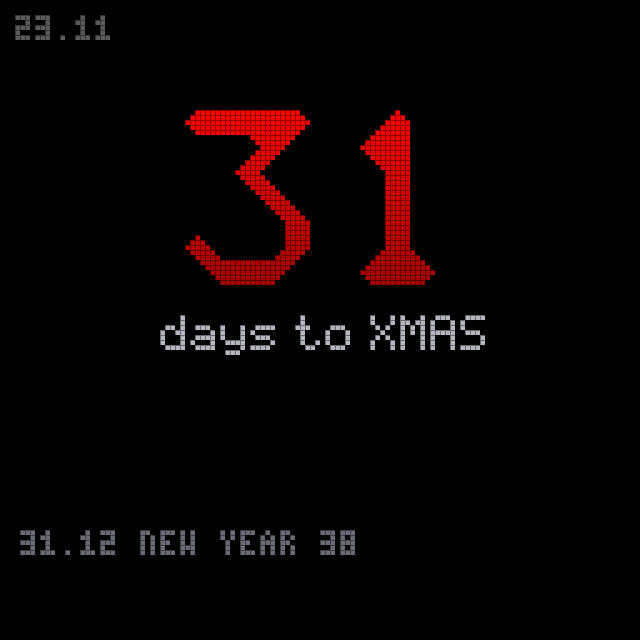
Offline countdowns to birthdays and local holidays from events.txt on SD.
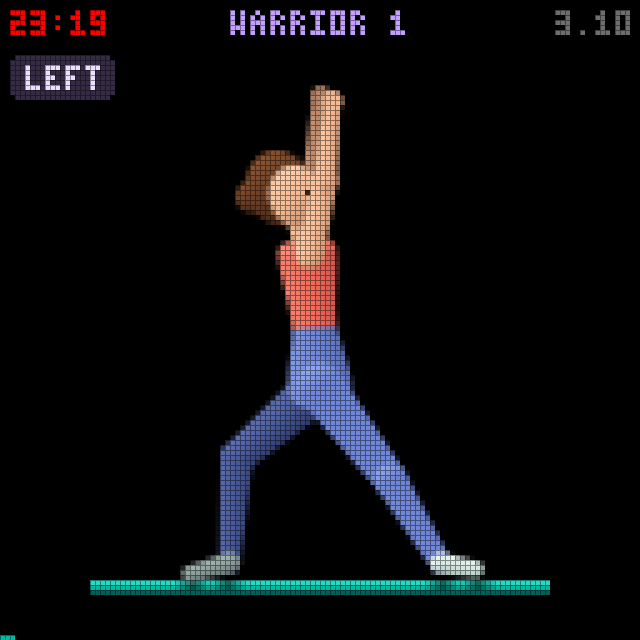
Five guided flows with articulated figures, bilateral mirroring, halfway bell, and NEXT cues.
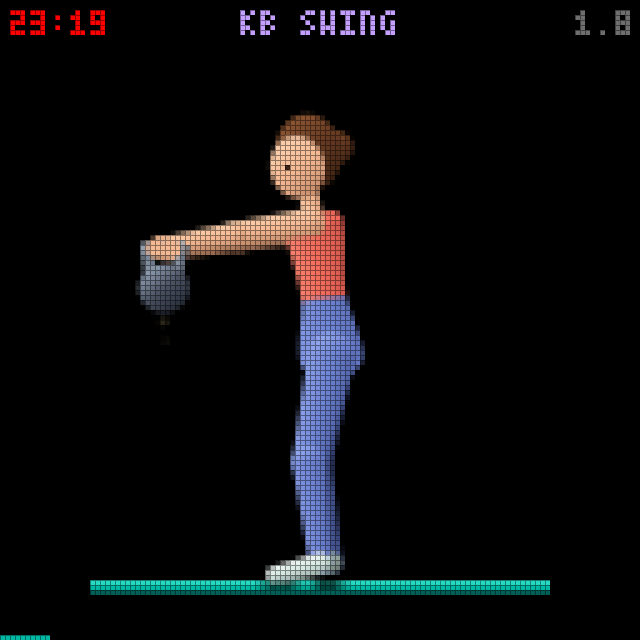
Bodyweight, Kettlebell, Tabata HIIT, and Core sessions with live rep counters and rest previews.
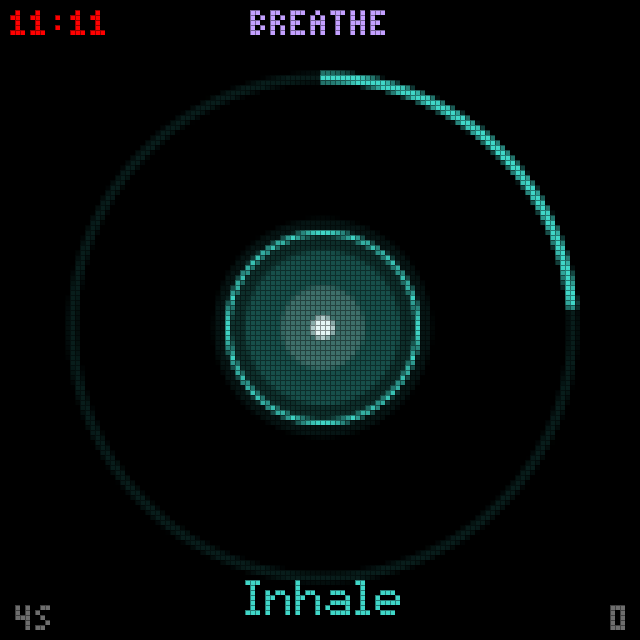
Box (4-4-4-4) and Relax (4-7-8) pacer with layered expanding aura and audio chimes.
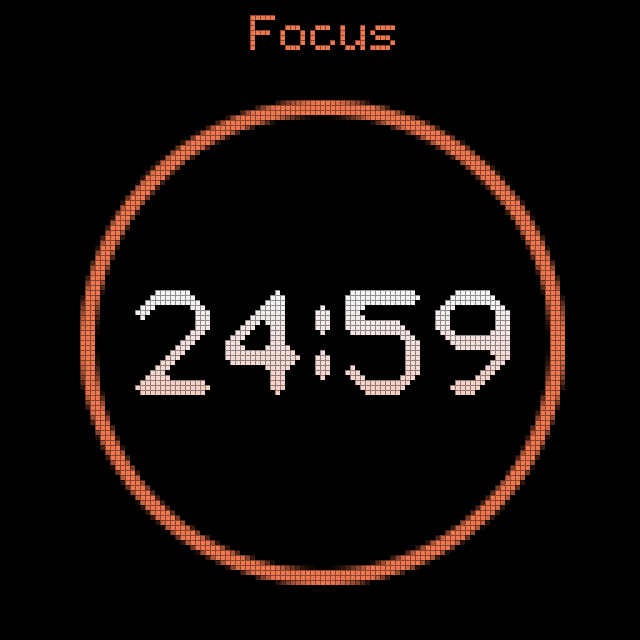
Glanceable 25/5 Pomodoro timer with sweeping anti-aliased arc and break alerts.
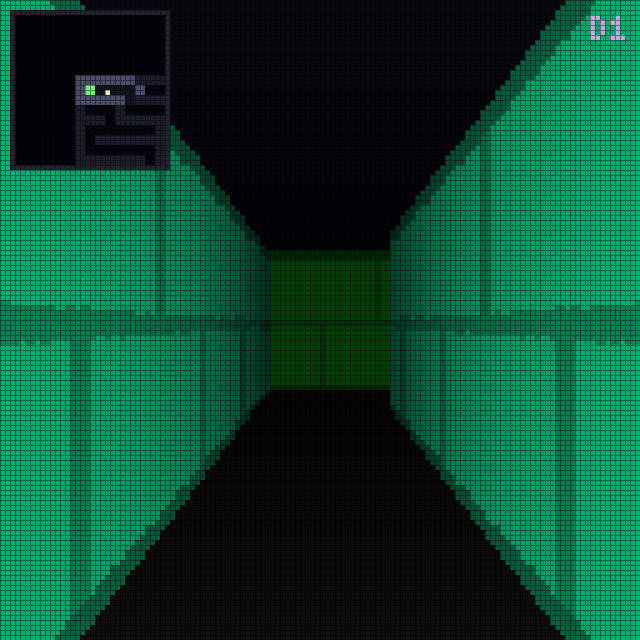
First-person 3D raycaster with ashlar stone seams, fog-of-war minimap, and pause menu.
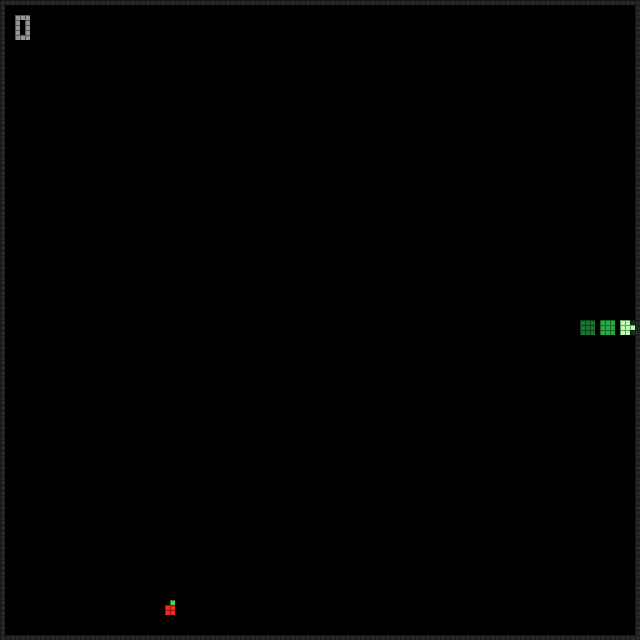
Classic arcade snake with palette shading, directional eyes, pulsing apples, and persistent high score.
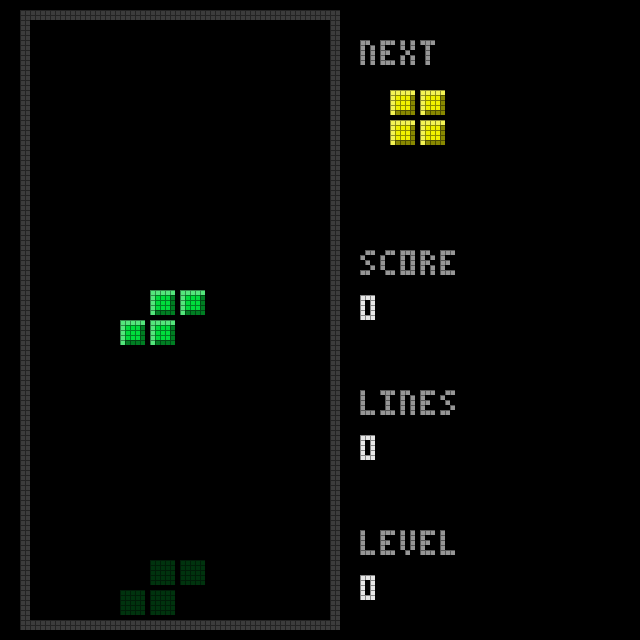
Full 10×20 well with 3D beveled blocks, ghost drop target, next-piece preview, and EEPROM high score.
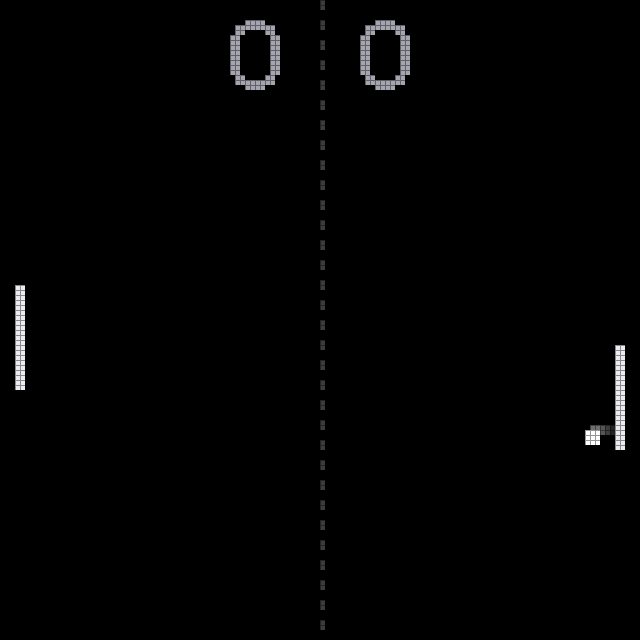
Fast two-paddle match with ball trail, rounded scoreboard numerals, and three AI difficulty levels.
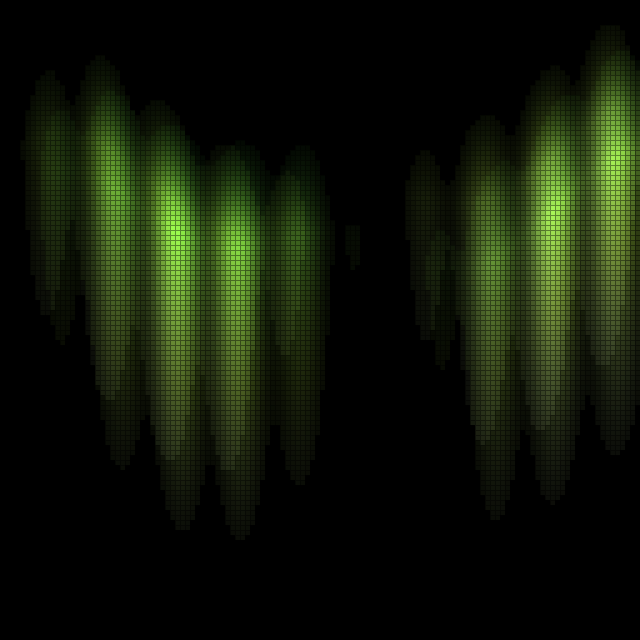
Shifting atmospheric light curtains and starfield homage to Pixelmatix's original visualizer.
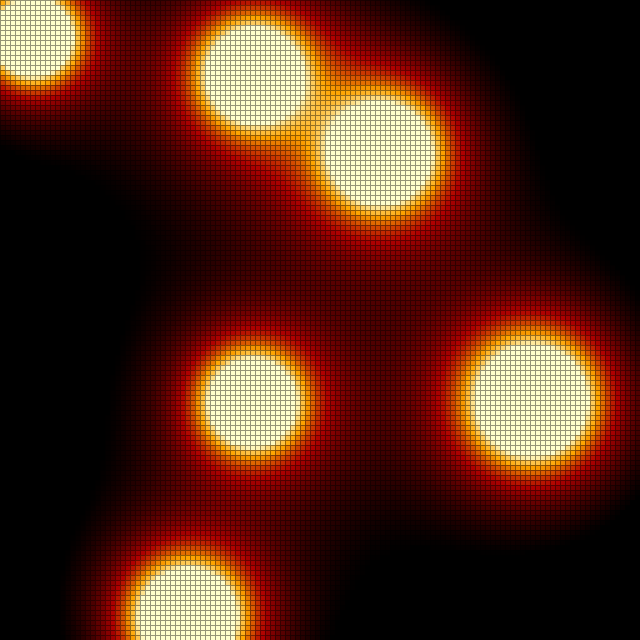
Organic floating metaballs rendered with palette heat mapping and an optimized inner loop.
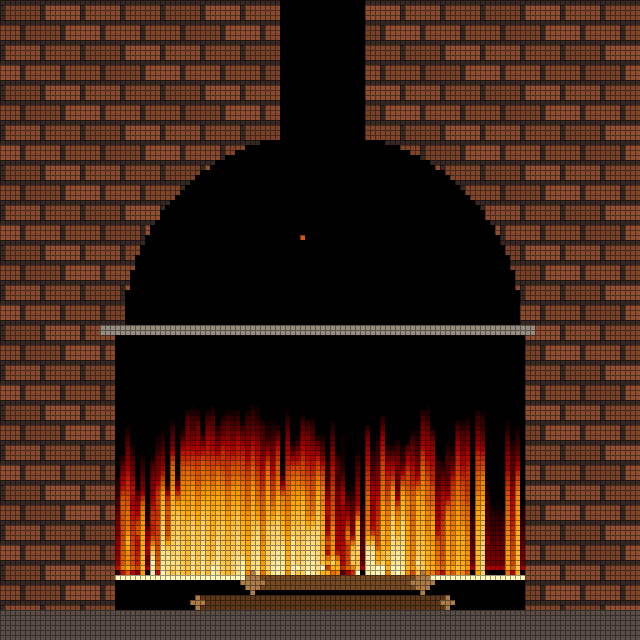
Warm simulated hearth flames with rising embers and optional audio crackle cues.
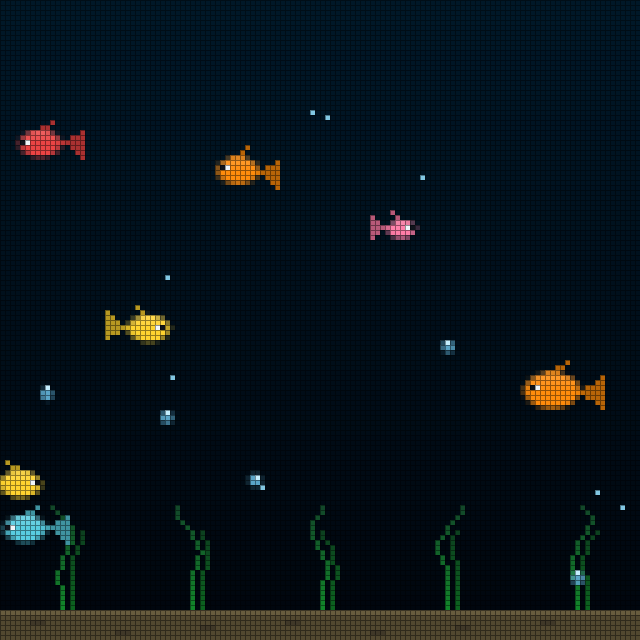
Layered ocean backdrop with shaded fish, wagging tails, swaying kelp, bubbles, and pebbled floor.

Eight-fold symmetrical kinetic patterns leaving slow trails across dark space.
Coriolis ships with two print-ready manuals generated directly from the repository docs and live simulator screenshots.
Complete end-user reference covering every clock, ambient scene, guided workout, game mode, Night Mode schedule, Clock Overlay positions, and IR remote / keyboard bindings.
Open User's ManualFull shopping list (~€330–450), HUB75E panel silicon checklist (avoiding ICN2038S/2053), Teensy 4.1 pin map, VUSB–VIN isolation, SmartMatrix 4 setup, and staged bring-up order.
Three iterations of the same room-first idea: write scenes once against an abstract framebuffer so desktop, Teensy 4.1, and browser execute identical C++11 code.
Every visual mode renders solely into FrameBuffer through a Context& struct carrying time, held keys, palette, audio cues, and monotonic milliseconds. No scene allocates on the heap per frame, and no scene calls platform headers.
One shared shell: the boot splash, slide/crossfade transitions, categorized launcher, settings menu, night-mode brightness floor, toasts, and debounced settings persistence live in scenes/shell.h — shared line-for-line between firmware, desktop raylib simulator, and this WebAssembly page.
The software is finished and running in both the desktop simulator and WebAssembly above; ordering parts and building the physical wall unit comes next. Build articles are published on santtu.fyi alongside the Coriolis portfolio entry.
Why Coriolis was built desktop-first: sharing Shell across platforms, designing readable 128×128 typography, guided fitness audio cues, and what a simulator can't predict until real HUB75 panels light up.
Sourcing compatible 1/32 HUB75E panels, cutting the Teensy VUSB–VIN pad, wiring the 40 A 5 V rail, SmartMatrix C-shape chaining, IR code capture, and testing DFPlayer spoken pose cues.
Fabricating the magnetic 2020 extrusion / plywood shadow box, fitting the 3 mm smoked cast-acrylic sheet flush over panel seams, calibrating night dimming, and hanging the finished display.